Economic reconciliation
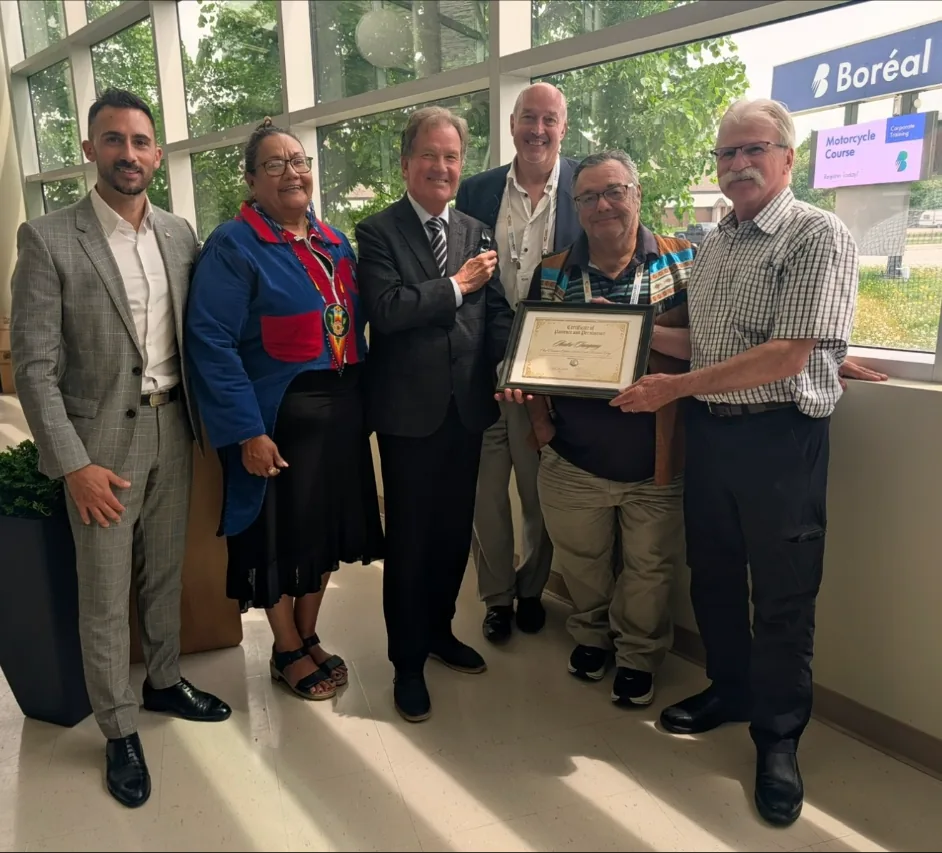
AAN will hold majority ownership and board control of AAARC, enabling Indigenous participation, consent and benefit.
Lake Abitibi, Ontario
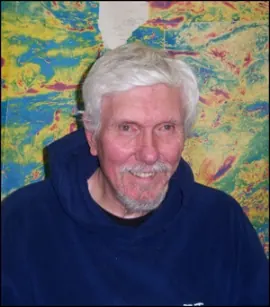
The AAN arrangement agreement is the culmination of several years of determined effort to explore the mineral potential of the area identified by the late Dr. John Kirwan as the most prospective area in the region.
It was on Dr. Kirwan's recommendation that Tangcoh Gold was formed and staked the initial claim block in 2007.
Project Snapshot
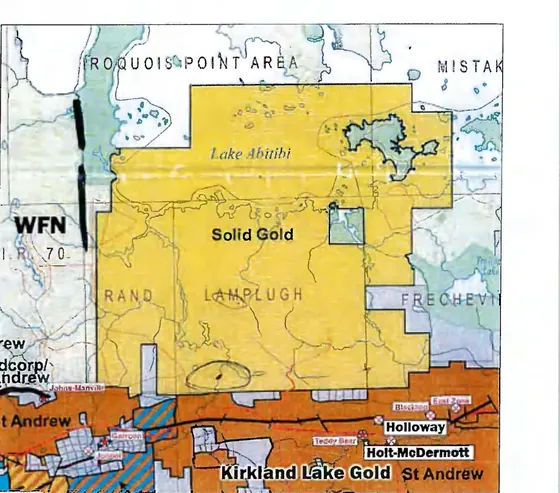
Solid Gold holds a contiguous mining claim package in Northern Ontario, in one of Canada's most productive gold districts.
Latest Development
On June 5, 2026, Solid Gold announced an arrangement agreement with Apitipi Anicinapek Nation and Apitipi Anicinapek Asini Resources Corp. to acquire Solid Gold's Lake Abitibi mining claims and related project assets under a court-approved plan of arrangement.
The transaction is designed to resolve long-standing litigation, remove the MLAS pending proceedings notation, and create a new Indigenous-led exploration company on Treaty 9 lands.
AAN will hold majority ownership and board control of AAARC, enabling Indigenous participation, consent and benefit.
Solid Gold shareholders are expected to receive AAARC shares by way of a return of capital, subject to approvals and closing conditions.
The land position would return to active exploration after more than a decade of dormancy.
The new structure is intended to advance exploration with the participation and priorities of AAN.
Dr. John Kirwan Legacy
Dr. John L. Kirwan, a Timmins-based consulting geologist whose doctoral thesis covered the Porcupine Gold Camp, identified the regional mineral potential that led to the formation of Tangcoh Gold, now Solid Gold Resources Corp.
Exploration Context
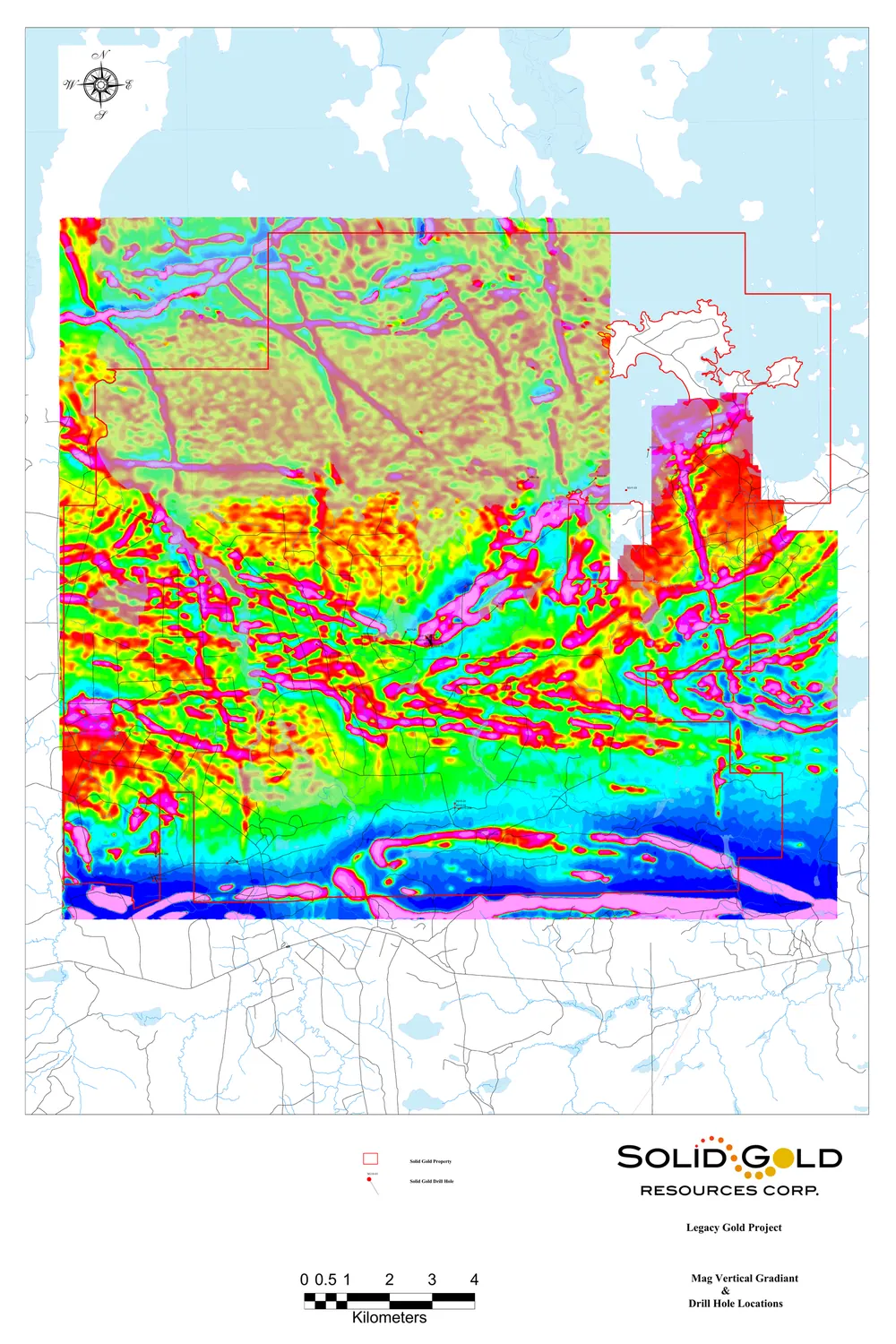
The Legacy Gold Project straddles the interpreted North Branch of the Destor-Porcupine Fault Zone, immediately north of the Holt-Holloway mine complex. Historical and Solid Gold exploration work identified structural targets, geophysical conductors and three discrete areas of mineralization.